Tai Chi Forms
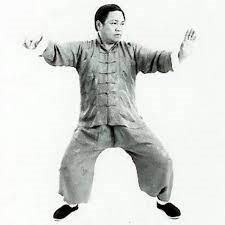
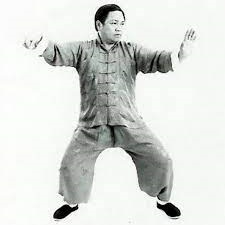
Daily practice of the Tai Chi form is an holistic practice designed to improve overall well-being by cultivating inner life energy (qi) to flow smoothly and powerfully through the body. Each movement of the form trains a particular fighting technique with the required posture, shape and movement to deliver it effectively utilising the tai chi principles. Training the form without the knowing the intent of each movement will significantly hinder both the health and martial art benefits. In modern training many practice the forms without the knowledge of the intent intrinsic to the moves thus dwindling the forms into a balletic performance.
Specific effects of this daily practice include:
Physical Health: Regular practice improves muscle strength, flexibility, balance, posture, and stamina. The movements strengthen core and abdominal muscles, which aids digestion and can prevent issues like constipation. It is also proven to help improve cardiovascular fitness, lower blood pressure, and reduce pain and stiffness associated with conditions like arthritis and back pain.
Mental Well-being: The slow, meditative movements, combined with deep breathing and mental focus, act as a moving meditation that helps to reduce stress, anxiety, and depression. This process of being present in the moment and cultivating mental quietness (Jing) enhances focus, concentration, and memory.
Internal and Energetic Development: The practice emphasizes relaxing and "loosening" the joints (Song) to allow qi to flow freely, which balances the body's internal regulatory system and can boost the immune system. This deep internal work over time helps build resilience and a sense of inner calm and confidence.
Deeper Understanding of Principles: Consistent, daily practice is key to internalizing the principles of Tai Chi, such as proper weight transference, alignment, and the application of internal power, which can lead to a deeper understanding of the art's martial applications and personal self-development.
Enhances breathing: Consistent practice develops a calm deep breathing with oxygenates the body and sinks the QI (energy) to the energetic centre the dantien situated in the lower abdomen. This helps sink ones centre of gravity but also develops deep relaxation and improves the health of the internal organs by expanding and stretching the diaphragm which massages the internal structures.
Ultimately, daily practice helps practitioners become more even-tempered, improves their ability to cope with change and stress, and, according to traditional beliefs and some studies, may contribute to a longer, healthier life.